Ready for our Black November Deals?

Save up to 44%: DISCOVER NOW

--

Days

--

Hours

--

Mins

--

Secs
Login

– Before you continue reading –

Not only do we know almost everything about kombucha, we also brew it!

Our 8-times award-winning Raw Kombucha combines millions of active cultures with smart organic ingredients and vitamin C. Thirsty yet? Visit our shop and see for yourself!

Try Kombuchery
Editorial Note: This article deals with general scientific findings on kombucha and not with Kombuchery products. Scientific findings and study results are not automatically transferable to individual foods or products. The article does not replace medical or nutritional advice and is not to be understood as a health-related statement about specific foods or products.

The content is based on scientific literature, publicly available sources, and the author's assessment, and does not claim to be exhaustive. New studies may confirm, supplement, restrict, or refute existing findings. Scientific publications should therefore always be considered in the overall context of the available evidence.

Studies generally refer to the specific conditions, ingredients, microorganisms, dosages, manufacturing processes, and groups of people investigated. The presented results cannot therefore be readily transferred to other foods, recipes, manufacturing processes, or products.

No statements about the effects, properties, or health benefits of specific foods or products can be derived from the information presented.

Health-related claims for foods in the European Union are subject to the applicable legal requirements. The presentation of scientific research is therefore not to be equated with a permissible health-related claim about a food or product.

If you would like to delve deeper into a topic, we recommend consulting the scientific sources linked in the article and other independent specialist literature to gain as comprehensive an understanding as possible of the current state of research.

How to use overly sour kombucha

The step from a fermented tea drink to a delicious vinegar is really not complicated. If you've produced too much kombucha, you don't have to throw it away. With a little patience, your tea drink will turn into delicious vinegar in 4 to 10 weeks. This tastes similar to apple cider vinegar without any additional spices. Here too, there are no limits to the flavors you can create.

How is kombucha vinegar made?

First, you simply start a new batch for fermentation. How to do this in detail is explained again here for fermentation newcomers.

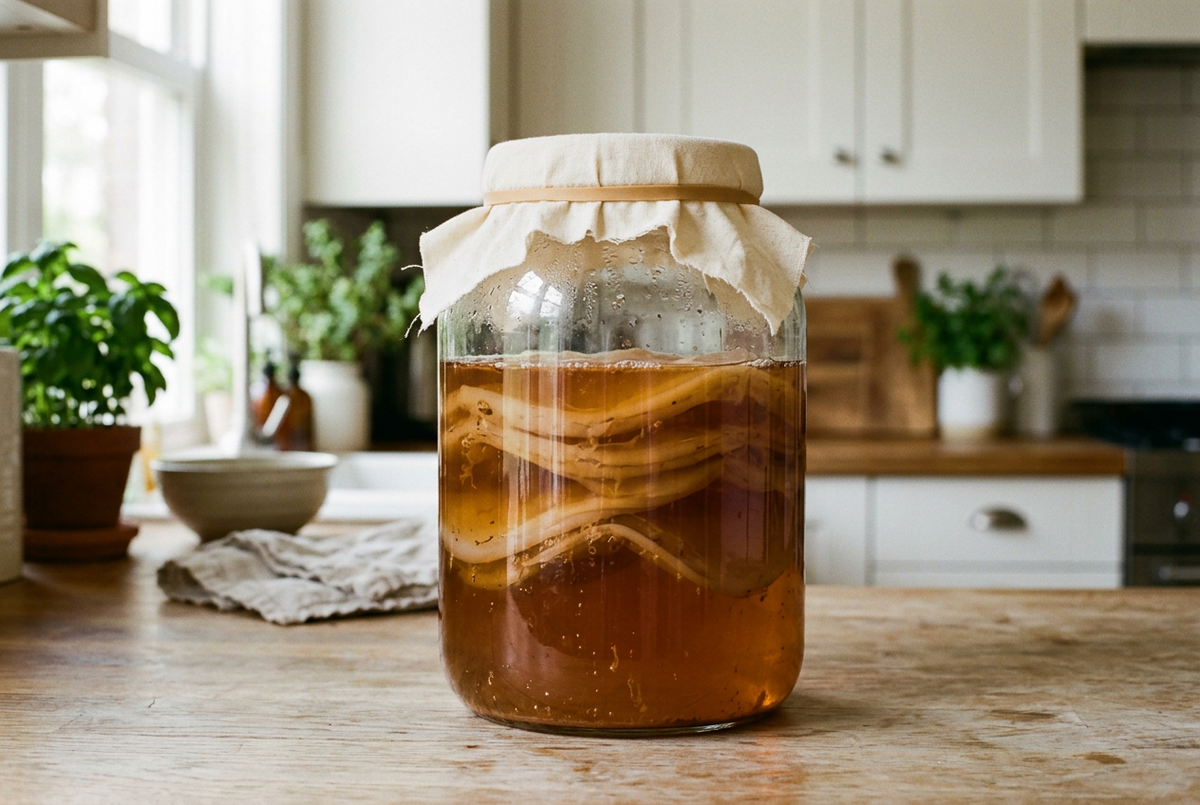
The tea fungus now simultaneously becomes your vinegar mother. Kombucha is made from a so-called starter liquid, tea, sugar, and with the help of a tea fungus (a symbiosis of yeasts and bacterial cultures). During fermentation, acid is produced. The longer the fermentation lasts, the more acid is produced. The added sugar ferments more and more over time. To make vinegar from it, it simply needs to ferment much longer. Since this process can extend over several weeks, you need a little more patience than with the usual fermentation of 7 to 14 days. Normally, the correct vinegar maturity is reached between 4 and 10 weeks.

When is your kombucha vinegar ready?

As with kombucha, there is no general answer. We recommend a fermentation of 4 weeks initially. Afterwards, the fine-tuning can take place. The liquid should be brought to a pH value of about 2. To do this, you can add one tablespoon of sugar every 2 weeks over a period of 6 weeks. This helps the tea fungus with fermentation and you will achieve a very acidic environment faster. In between, you can of course always taste with a small spoon whether the vinegar is palatable to you.

Refining kombucha vinegar with spices

Add even more flavor to your vinegar with spices! There are no limits to the flavors here. After refining, store the kombucha vinegar cleanly sealed and in a cool place. If fermentation is still active, pressure can continue to build up.

Possible ingredients for refining:

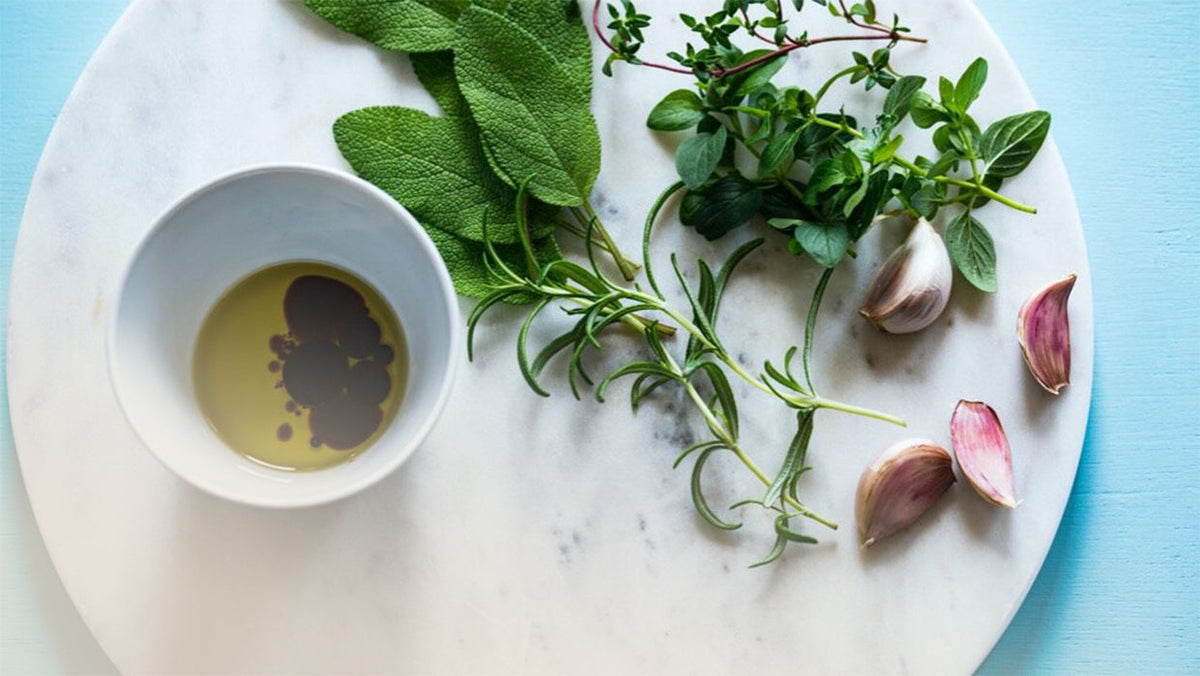
  • Thyme
  • Mint
  • Oregano
  • Basil
  • Garlic
  • Onions
  • Shallots
  • Lemon peel
White wooden floor linen cloth sliced lemon herbs two vessels with salt and pepper

FAQs

Can the used scoby be used for a new kombucha batch after making kombucha vinegar?

The tea fungus can then still be used for further kombucha fermentation without any problems.

How long does bottled vinegar last?

There is no general shelf life for homemade kombucha vinegar. Store it cleanly sealed and in a cool place. If you see visible mold, unusual odors, or other noticeable changes, you should no longer use it.
2 comments

    • Kombuchery
    • October 15, 2024 at 10:35 am

    Hallo Yvi,
    das geht einfach, wenn der SCOBY auch im Glas ist. Liebe Grüße!

    • Yvi
    • October 15, 2024 at 10:34 am

    Hallo!
    Wie genau ist das Zugeben von Zucker im 2 Wochen-Rhythmus gemeint? Soll der Scoby vorher abgegossen werden nach 4 Wochen und dann “gefüttert” oder noch während der Scoby drin ist?
    Vielen Dank fürs schlauer machen 😉
    LG

Leave a comment

Please note, comments need to be approved before they are published.

This site is protected by hCaptcha and the hCaptcha Privacy Policy and Terms of Service apply.

Recommended articles for you

More of my articles, from A, like alcohol-free kombucha cocktails, to Z, like lemon-ginger kombucha, can be found on our Kombuchery blog. Let's learn more about kombucha together!

View all

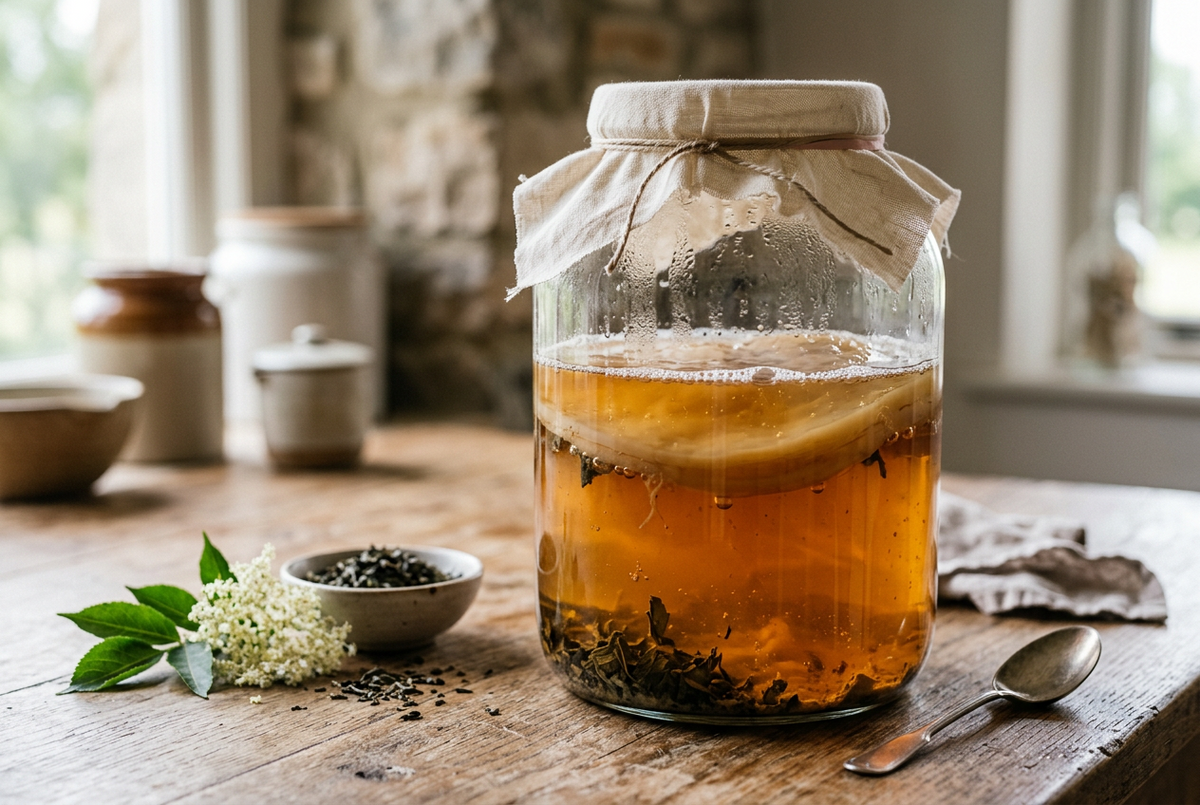
Was ist ein SCOBY-Hotel und wie bewahrt man Kombucha-Kulturen auf?

Was ist ein SCOBY-Hotel und wie bewahrt man Kombucha-Kulturen auf?

Du braust deinen eigenen Kombucha und plötzlich hast du mehr SCOBYs, als du für deine nächste Fermentation brauchst? Oder du möchtest eine kleine Pause vom Kombucha-Brauen einlegen, ohne deine Kultur aufzugeben? Dann ist ein sogenanntes SCOBY-Hotel genau das Richtige für...

Read moreabout Was ist ein SCOBY-Hotel und wie bewahrt man Kombucha-Kulturen auf?

Fermentierte Lebensmittel im Winter: Welche Zutaten haben Saison?

Fermented foods in winter: Which ingredients are in season?

When it gets colder outside, the selection of fresh ingredients in the kitchen also changes. Instead of summer tomatoes and zucchini, cabbage, carrots, beetroot, and root vegetables now take center stage. Many of these ingredients can be wonderfully fermented and...

Read moreabout Fermented foods in winter: Which ingredients are in season?

Warum enthält Kombucha Zucker, obwohl er fermentiert wird?

Why does kombucha contain sugar even though it is fermented?

You may have already wondered: Why does kombucha contain sugar even though it is fermented? After all, some of the sugar is converted by yeasts and bacteria during fermentation. But it doesn't have to disappear completely. In this article, you...

Read moreabout Why does kombucha contain sugar even though it is fermented?

Kombucha Ginger im Porträt: Wie schmeckt Ingwer-Kombucha?

Kombucha Ginger in Focus: What Does Ginger Kombucha Taste Like?

You like ginger and are wondering what it tastes like in kombucha? Then you will discover an exciting combination here: ginger kombucha combines the characteristic taste of fermented tea with the spicy note of ginger. The result is a drink...

Read moreabout Kombucha Ginger in Focus: What Does Ginger Kombucha Taste Like?

Was ist Raw Kombucha? Der Unterschied zu pasteurisiertem Kombucha

What is raw kombucha? The difference compared to pasteurized kombucha

You've heard of raw kombucha before, but you're not sure what it is? Then you've come to the right place! There is an important difference when it comes to kombucha: some varieties are pasteurized after fermentation, while others remain raw....

Read moreabout What is raw kombucha? The difference compared to pasteurized kombucha

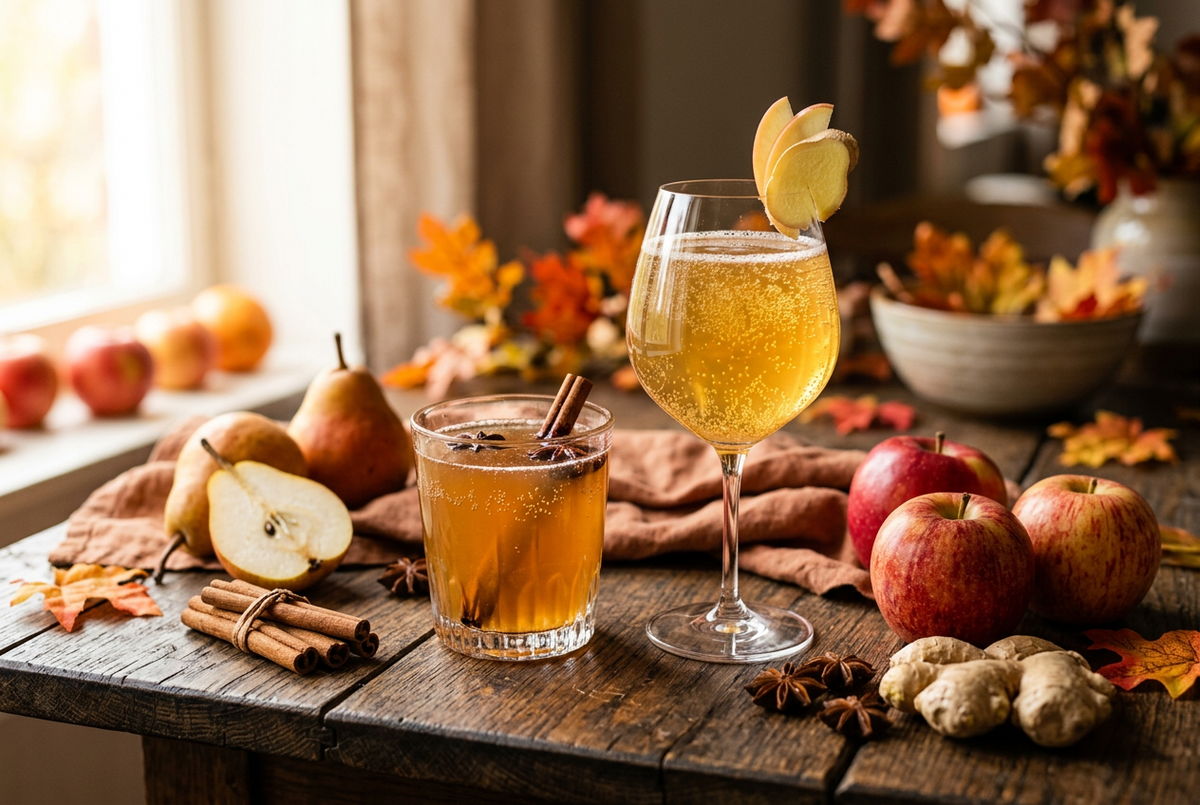
Herbstliche Kombucha-Rezepte: 5 Ideen mit Apfel, Birne und Gewürzen

Autumn Kombucha Recipes: 5 Ideas with Apple, Pear, and Spices

When the days get shorter, the air outside smells of autumn, and we make ourselves cozy at home, a little autumn can also move into the glass. 🍂 How about fruity apple, juicy pear, a pinch of cinnamon, and a...

Read moreabout Autumn Kombucha Recipes: 5 Ideas with Apple, Pear, and Spices

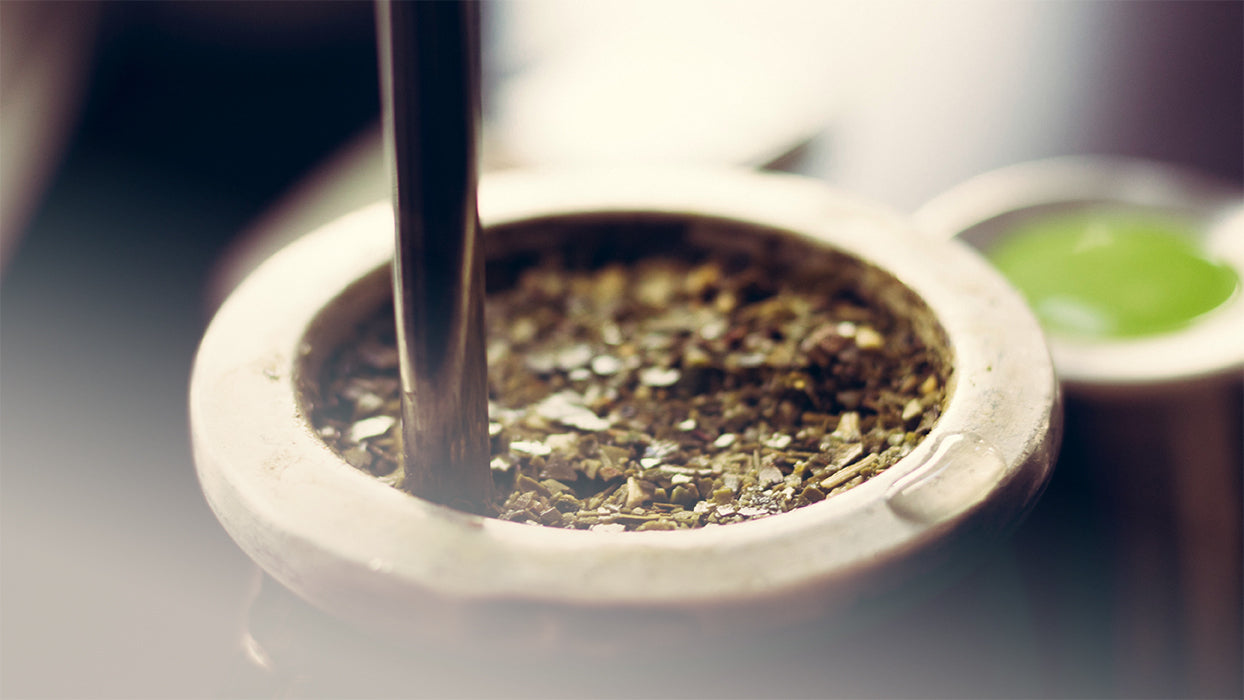
Mate Tee Trinkhalm Mateteegefaess

Mate Kombucha: What you should know about mate tea, caffeine, and yerba mate

Mate tea meets kombucha Mate and kombucha can be combined for an exciting flavor profile: the characteristically bitter, slightly smoky taste of mate meets the typical sweet-tart note of fermented kombucha. Mate tea has a long tradition, especially in South...

Read moreabout Mate Kombucha: What you should know about mate tea, caffeine, and yerba mate

Schwangere Frau im Anschnitt grosser Bauch Wiese Abendsonne

Is kombucha suitable for pregnant women and children? All about the alcohol content

Who should drink kombucha? Kombucha is a fermented tea drink. Fermentation can produce small amounts of alcohol. Depending on the tea used, kombucha may also contain caffeine. But how is alcohol actually produced in kombucha? How high can the alcohol...

Read moreabout Is kombucha suitable for pregnant women and children? All about the alcohol content

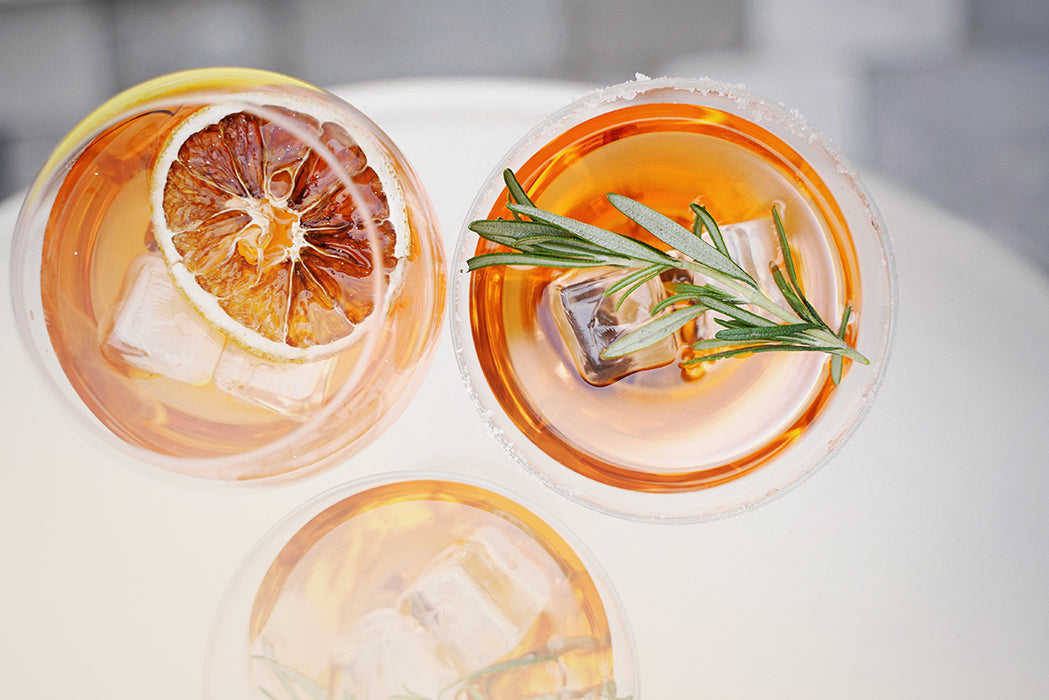
Warum kann Kombucha Alkohol enthalten? Alle Fragen zum Alkoholgehalt im Überblick

Why Can Kombucha Contain Alcohol? All Your Questions About Alcohol Content Answered

How is alcohol formed in kombucha? Is there kombucha without alcohol? Can pregnant women drink kombucha? Can I make alcohol-free kombucha? All your questions about kombucha and alcohol answered here!

Read moreabout Why Can Kombucha Contain Alcohol? All Your Questions About Alcohol Content Answered

¹at the time of bottling
²Vitamin C contributes to the normal function of the immune system, normal energy-yielding metabolism, and the protection of cells from oxidative stress.
  • Vitamin C contributes to the normal function of the immune system.
  • Vitamin C contributes to normal psychological function.
  • Vitamin C contributes to normal energy-yielding metabolism.
  • Vitamin C contributes to the reduction of tiredness and fatigue.
  • Vitamin C contributes to the normal functioning of the nervous system.
  • Vitamin C contributes to the protection of cells from oxidative stress.
  • Vitamin C contributes to the regeneration of the reduced form of vitamin E.
  • Vitamin C contributes to normal collagen formation for the normal function of the skin.
  • Vitamin C contributes to normal collagen formation for the normal function of blood vessels.
  • Vitamin C contributes to normal collagen formation for the normal function of bones, cartilage, teeth and gums.
  • Vitamin C increases iron absorption.