

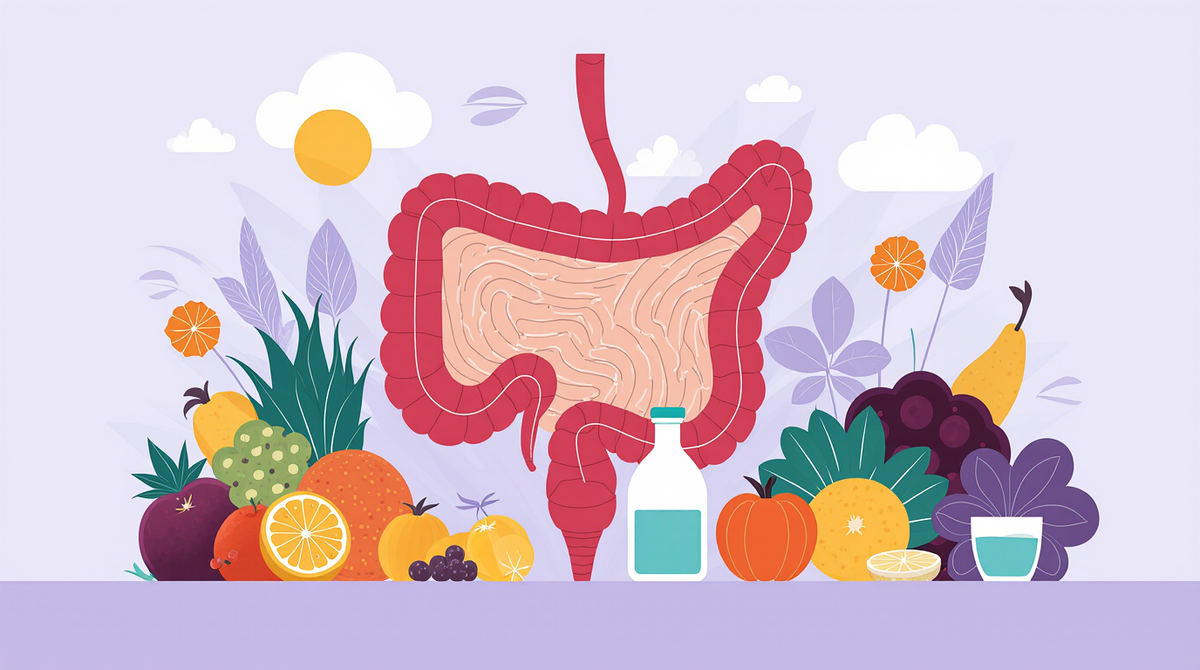
Intestinal cleanses, detox programs, and so-called "colon cleanses" have enjoyed great popularity for years. They promise a fresh start for the body, more energy, better digestion, and increased well-being. Especially in the context of gut health, such promises seem plausible to many people – after all, the gut plays a central role in our physical and psychological well-being.
But how useful are intestinal cleanses really? Does a healthy gut even need a cleanse? And what changes can one realistically expect? In this article, we comprehensively examine the topic of intestinal cleanses: We explain the background, consider historical and cultural aspects, clarify biological mechanisms, point out potential benefits and risks, and provide concrete tips on how intestinal cleanses can be meaningfully integrated into daily life.
What exactly is an intestinal cleanse?
An intestinal cleanse refers to various measures aimed at supporting digestion or "cleansing" the intestines. There is no uniform definition, and the approaches vary greatly in their methods and effects.
These often involve dietary changes, fasting cures, the intake of probiotic preparations or fermented foods, as well as laxative measures or colon hydrotherapy. Each of these methods has different effects and risks, which is why it is important to know exactly which approach one is choosing and what goals one is pursuing before starting an intestinal cleanse. A cleanse should be consciously selected, rather than relying on unverified promises of healing.
Does the gut need to be cleansed?
Many intestinal cleanses are based on the idea that so-called "sludge" accumulates in the intestines, which burdens the body. This idea is not scientifically proven. The intestine is a highly active organ that works continuously. The intestinal lining renews itself within a few days, indigestible food residues are regularly excreted, and the liver and kidneys take over central detoxification processes.
In a healthy body, therefore, there is no dangerous accumulation of residues that would need to be "flushed out." Medical professional societies such as the German Society for Gastroenterology emphasize that special cleansing or detox cures are not medically necessary. This does not mean that diet or lifestyle are unimportant, but that the body is capable of regulating itself.
Effects that intestinal cleanses can realistically have
Even if intestinal cleanses do not achieve cleansing in the traditional sense, they can provide an impetus for more conscious eating habits. Many programs reduce alcohol, highly processed foods, and sugary products, and instead focus more on vegetables, whole grain products, and other fiber-rich foods. Fiber increases stool volume and is an important part of a varied diet.
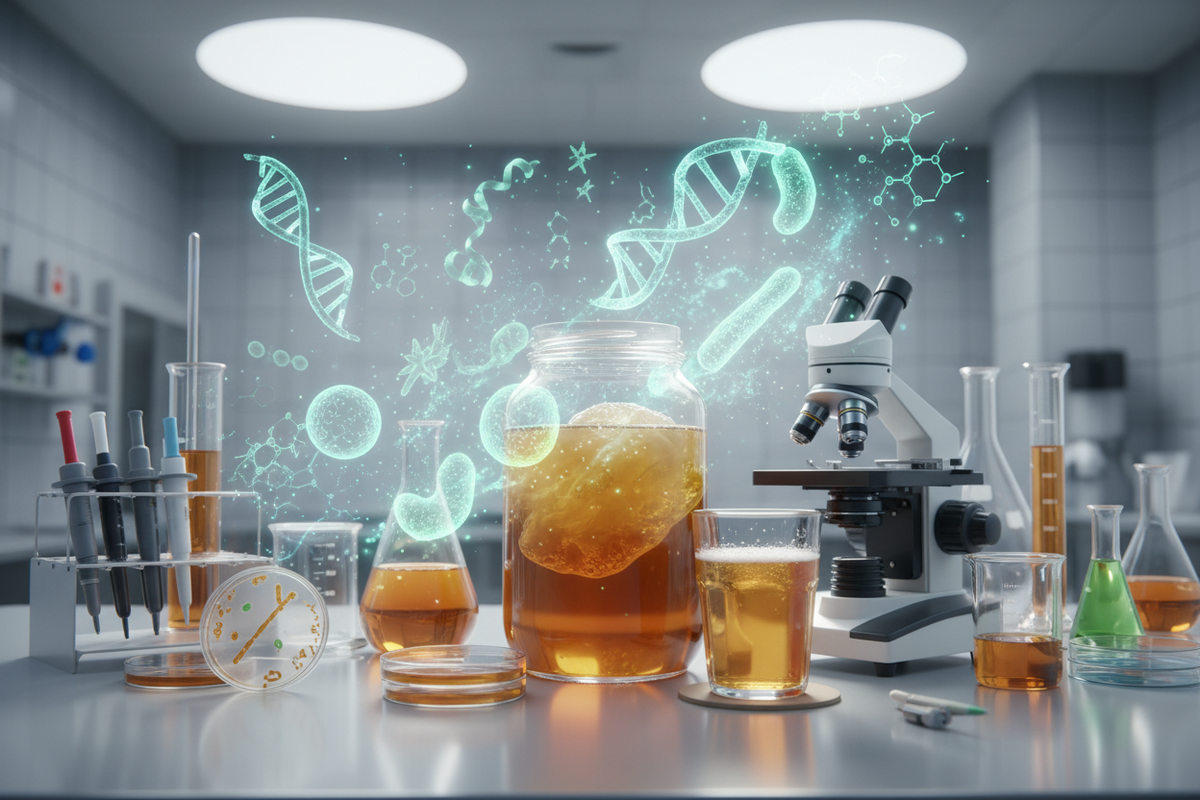
Fiber increases stool volume, and certain fibers are fermented by microorganisms in the large intestine. Dietary changes can therefore also alter the composition and activity of the gut microbiome. How permanent such changes are depends on long-term diet and numerous individual factors.
Another positive effect is psychological: An intestinal cleanse is often perceived as a conscious fresh start, which increases motivation and mindfulness in dealing with nutrition. People report that afterwards they pay more attention to portion sizes, meal times, and food choices.
Intestinal Cleanses in Historical and Cultural Context
The idea of deliberately influencing the gut is not new. Even in antiquity, regular digestion was considered central to health and well-being. Hippocrates formulated, in essence, that many diseases originated in the gut – an idea that still appears in various health discussions today.
Over the centuries, various practices developed, including therapeutic fasting, enemas, and special diets. Modern intestinal cleanses take up these traditional ideas, but package them in contemporary marketing. While many historical approaches should be viewed critically, it is clear that the connection between gut health and general well-being has long been recognized.
The gut-brain axis: How diet affects body and mind
The gut-brain axis describes the reciprocal exchange between the gut and the brain. This involves, among other things, nerve pathways, hormones, immune processes, and microbial metabolites. Diet can also influence the composition of these metabolites. However, no general psychological effect of an intestinal cleanse can be derived from this.
These effects, however, do not arise from a "cleansing," but from the complex interactions between diet, gut bacteria, and the nervous system. Understanding these connections allows one to assess the benefits of an intestinal cleanse more realistically and to specifically focus on sustainable changes.
For whom an intestinal cleanse can be useful – and for whom not
Those who have previously eaten a diet very low in fiber or predominantly highly processed foods can use a temporary dietary change as an opportunity to try new routines. This includes, for example, more vegetables, legumes, and whole grain products, regular meals, and adequate fluid intake.
For people with eating disorders, during pregnancy and lactation, or with existing gastrointestinal diseases, a restrictive intestinal cleanse is not suitable. In these cases, potential risks outweigh potential benefits. Individual consultation with medical professionals is then absolutely necessary.
Risks and Critical Aspects
Not every intestinal cleanse is without risk. Laxative measures can disturb the electrolyte balance and impair natural bowel movements. Extreme fasting can lead to nutrient deficiencies and limit physical performance. Colon hydrotherapy offers no proven benefits and carries risks of injury or infection.
It is therefore crucial to critically question any cleanse and to focus on gentle, sustainable measures, rather than relying on extreme methods or unproven promises of healing.
The Role of Time and Patience
Many people expect quick results from an intestinal cleanse. In reality, the gut primarily needs continuity. While the gut flora reacts relatively quickly to dietary changes, stable and diverse structures only develop through a long-term, balanced diet. Short-term measures provide impulses, but do not replace lasting habits.
Tips for integrating an intestinal cleanse into everyday life
Those who want to use an intestinal cleanse as an entry point into a more conscious lifestyle should opt for gentle, practical measures. This includes gradually changing one's diet and not resorting to radical fasting cures. Fiber, vegetables, and fermented foods can be regularly integrated into meals. Drinking enough fluids and paying attention to the signals of one's own body helps to tolerate the cleanse well. Above all, one should have realistic expectations: An intestinal cleanse can provide impulses, but it does not replace long-term healthy habits.
Through this approach, an intestinal cleanse can enrich everyday life and lead to lasting, healthy routines.
Gut health in everyday life
For everyday life, a consistently varied diet is more relevant than a short-term intestinal cleanse. Vegetables, fruits, legumes, and whole grain products provide different fibers, while regular exercise, adequate sleep, and recovery are further components of a balanced lifestyle. The gut microbiome is influenced by diet, medication, age, lifestyle, and many other factors."
Conclusion
Intestinal cleanses are neither a medical necessity nor a miracle cure. Their effect usually arises indirectly – through conscious eating, mindfulness, and the development of new routines. Those who use the cleanse wisely, avoid extreme measures, and focus on sustainable changes can use it as a valuable impulse for a healthier everyday life.




Share: