product image

select caret down
Login

Note: The content of this article is for general information purposes only. It does not replace medical or nutritional advice and does not constitute health-related statements about our products.

– Before you read on –

We don't just know everything about Kombucha ...

We also brew the best raw kombucha ourselves. If you're thirsty, stop by our shop and see for yourself!

Try kombuchery

Strengthen your immune system for winter

Our immune system is once again facing a tough winter. Flu, colds, and novel viruses are challenging our defenses. With these 6 tips, you can strengthen your immune system.

A strengthened immune system generally copes well with environmental attacks. If it is weakened, harmful and toxic substances, viruses, and bacteria from outside can easily penetrate the body. People with a weak immune system are therefore more susceptible to infections and colds. The human immune system is divided into an innate and an acquired one. Lymphocytes play an important role in immune defense, specifically the so-called B-cells and T-cells. B-lymphocytes develop antibodies against bacteria and viruses. They can even recognize the respective pathogen at a later date by developing memory cells. T-lymphocytes are proactive and kill pathogens and support immune cells. The older we get, the fewer B and T cells our body produces. A healthy lifestyle and a healthy diet can help slow down this steady decline. What else can you do to strengthen your immune defense? 6 simple tips to help your body fight bacteria and viruses faster!

1. Vitamin D

Vitamins can either not be produced by our body at all or only insufficiently. For this reason, these chemical compounds must be regularly supplied from outside, e.g., through food. Vitamin D is a very special vitamin among vitamins, because it is produced in the skin through endogenous synthesis, with the help of sunlight. Cholesterol is converted into provitamin D. Vitamin D largely supports the normal functions of the immune system by, for example, strengthening the aforementioned T-cells. A deficiency of vitamin D weakens the immune defense. Especially in the darker months, you should go out in the sun 3 to 4 times a week for about 30 minutes. If that's too time-consuming for you, you can also supply your body with vitamin D in the form of high-quality supplements.

Hand forms a hole through which the sun shines, sky in the background

2. Avoid stress and get enough sleep

Stress situations that last for a long time can have negative effects on our health. It doesn't matter whether it's stress at work, in the family, or suppressing traumatic events. In an acute stress situation, the body uses all its energy to fight it. Because for it, stress means great danger lurks. This particularly burdens T-cells and weakens the immune defense. In addition, enormous stress requires the consumption of more vitamin C, which in turn can lead to a deficiency. Sleep also affects T-cells and the immune defense. The more you sleep and the more regular your sleep is, the better for your health.

So try in your daily life to:

1. Avoid chronic stress
2. Improve sleep with:

  • fixed sleep-wake times
  • reducing caffeine
  • not eating too late before bedtime
  • avoiding light from smartphones and laptops before bedtime
Two hands holding a ceramic mug with coffee on a linen tablecloth

3. Healthy Diet

A varied, balanced diet with plenty of fresh fruit and vegetables is crucial for a healthy lifestyle. About 70 percent of all immune cells are located in the gut, which is why it is all the more important to supply it with fiber-rich food and to promote the diversity of the microbiome.

Tips for a strong immune system:

  • Mainly plant-based diet
  • Foods with bitter compounds such as arugula, chicory,
    artichokes, Brussels sprouts, savoy cabbage, coriander, sage, dandelion
  • Pre- and probiotics – certain vegetables, kombucha,
    sauerkraut, yogurt, water kefir
  • Drink enough water – 30 ml of fluid per kilogram
    of body weight per day
  • Avoid fast food
  • Healthy fats and proteins
  • Rice, bread, pasta in the whole grain version
  • Avoid too much salt and increasingly use spices such as turmeric and ginger
Three bowls with salad, cucumbers, arugula, millet, small bowl with salt, top view on white background

4. Moderate Exercise

Regular movement in the form of light physical activities also strengthens the immune defense. It is important to pay attention to the type and duration of the sport. Too much physical exertion can even burden the immune system. During exercise, adrenaline is released. This leads to active defense cells that multiply faster. White blood cells and lymphocytes are then present in high numbers in the blood. When adrenaline drops again after exercise, the activated defense cells also drop. But this is not bad at all, because the short-term activation alone helps the cells to act faster in a real emergency and to react to bacteria and viruses.

We recommend endurance sports, such as light jogging, swimming, or cycling. But also a relaxing yoga or Pilates session activates the defense cells.

Woman doing yoga on a yoga mat, stones, nature blurred in the background

5. Vitamin C

Vitamin C, also known as ascorbic acid, is an essential vitamin for actively supporting the immune system. Our body cannot produce this vitamin itself and must absorb it through food. An adult should consume about 100 mg of vitamin C daily with food. This corresponds to about 100 g of raw broccoli. Vitamin C is actively involved in defending against bacteria, viruses, and other pathogens. It enriches leukocytes and activates T-cells.

Vitamin C is found in high amounts in various vegetables, for example:

  • Red bell pepper
  • Brussels sprouts
  • Kale
  • Broccoli
  • Cauliflower
  • Kohlrabi
  • Red cabbage
  • Spinach

The vegetables should only be cooked briefly so that the vitamins are not destroyed by the heat.

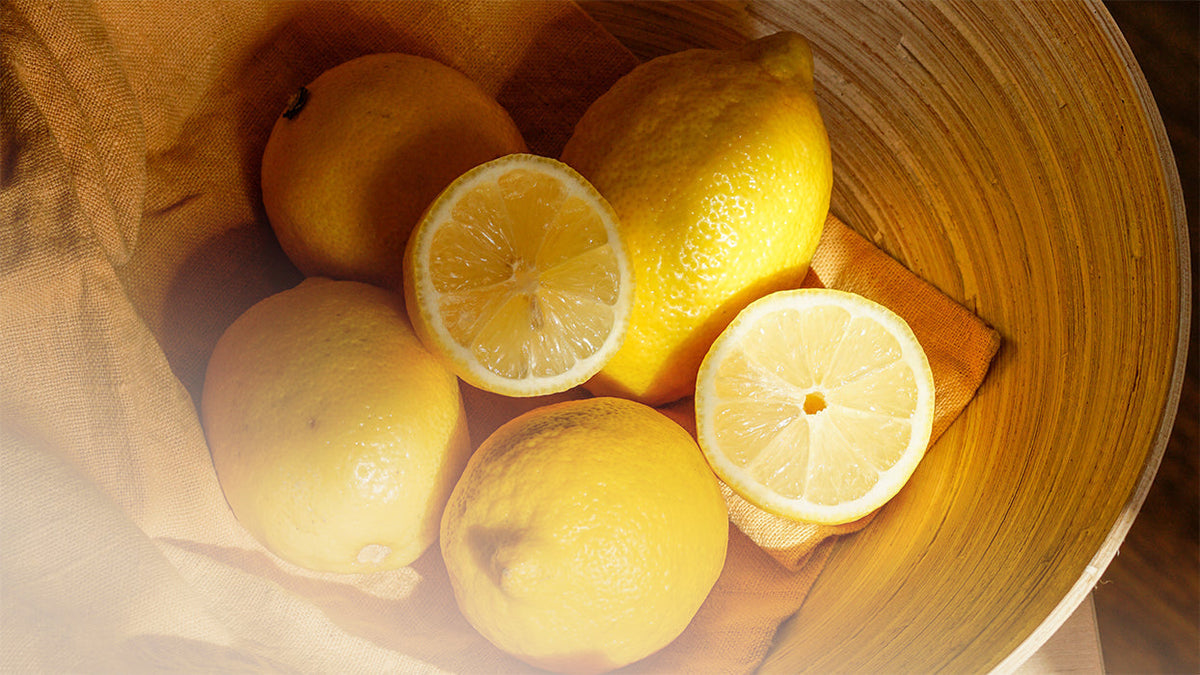
Lemons on a linen cloth in a wooden bowl with warm light

6. Sauna and alternating baths

Regular sauna sessions or alternating showers can train the immune system. Above all, the recovery effect and the resulting stress avoidance can help the body be prepared for demanding times.Tree Tinyhouse on stilts on stone slope Fjord in background

Leave a comment

Please note, comments need to be approved before they are published.

This site is protected by hCaptcha and the hCaptcha Privacy Policy and Terms of Service apply.

Note: This article is intended for informational purposes only and should not be construed as professional analysis, advice, or medical information. It contains the author's personal opinion based on researched literature and personal experience on the subject.

Recommended articles for you

You can find more of my articles, from A, like non-alcoholic kombucha cocktails, to Z, like lemon-ginger kombucha, on our Kombuchery blog. Let's learn more about kombucha together!

View all

Kombucha Guide Berlin: Die 10 besten Cafés & Restaurants in 5 Bezirken

Kombucha Guide Berlin: The 10 Best Cafes & Restaurants in 5 Districts

Urban Wellness in Berlin: 5 Neighborhoods Where You'll Find Great Kombucha Berlin is one of Europe's most exciting cities when it comes to modern food and drink culture. Kombucha is no longer a niche product here, but part of a...

Read moreabout Kombucha Guide Berlin: The 10 Best Cafes & Restaurants in 5 Districts

Wer kann mehr? Der Vergleich: Kombucha, Brottrunk & funktionale Limonaden

Who Can Do More? The Comparison: Kombucha, Brottrunk & Functional Lemonades

In recent years, the range of beverages available has changed significantly. In addition to classic soft drinks, more and more fermented beverages and so-called functional lemonades are available in supermarkets today. Particularly popular are kombucha, kvass, and modern lemonades with...

Read moreabout Who Can Do More? The Comparison: Kombucha, Brottrunk & Functional Lemonades

Kombucha und seine Wirkung: Wissenschaftliche Studien zu Inhaltsstoffen, Fermentation und Gesundheit

Kombucha and Its Effects: Scientific Studies on Ingredients, Fermentation, and Health

Kombucha is one of the most intensively researched fermented beverages in recent years. Modern microbiological, nutritional, and clinical studies show that the drink possesses an exceptionally complex biochemical composition. During fermentation, numerous bioactive compounds are formed, including organic acids, polyphenols,...

Read moreabout Kombucha and Its Effects: Scientific Studies on Ingredients, Fermentation, and Health

🌍 World Kombucha Day am 21. Februar: Geschichte, Fakten & Tipps zum Feiern

🌍 World Kombucha Day on February 21: History, Facts & Tips for Celebrating

Celebrate the Effervescent History of Kombucha Every year on February 21st, kombucha fans worldwide celebrate World Kombucha Day. But why exactly does this day exist? It's simple: it's a tribute to a beverage that has delighted, inspired, and refreshed people...

Read moreabout 🌍 World Kombucha Day on February 21: History, Facts & Tips for Celebrating

Die besten Nahrungsergänzungsmittel: Gesundheit gezielt stärken ohne Risiko

The Best Nutritional Supplements: Targeted Health Boosts Without Risk

Dietary Supplements: Beneficial for all who can't live perfectly healthy every day In a stressful everyday life, many people can't always manage to eat optimally healthy every day. Shift work, long days in the office, little time for fresh cooking,...

Read moreabout The Best Nutritional Supplements: Targeted Health Boosts Without Risk

Darmkuren im Check: Was wirklich wirkt

Bowel Cleanses Under Scrutiny: What Really Works

Colon cleanses, detox programs, and so-called "bowel purifications" have enjoyed great popularity for years. They promise a fresh start for the body, more energy, better digestion, and increased well-being. Especially in the context of gut health, such promises seem plausible...

Read moreabout Bowel Cleanses Under Scrutiny: What Really Works

Präbiotische/ probiotische Hautpflege: Hilft sie wirklich?

Prebiotic/probiotic skincare: Does it really work?

Prebiotic and Probiotic Skincare: Trend or Scientifically Effective? The Skin Microbiome: A Complex Ecosystem The skin is the largest human organ and a complex ecosystem inhabited by a multitude of microorganisms, collectively known as the skin microbiome. This consists of...

Read moreabout Prebiotic/probiotic skincare: Does it really work?

Wozu braucht der Körper Präbiotika?

Why does the body need prebiotics?

Prebiotics are often overshadowed by their more well-known "relatives," probiotics. While probiotics are living microorganisms that we ingest through food or supplements, prebiotics serve as food for the beneficial bacteria in the gut. They are, so to speak, the fuel...

Read moreabout Why does the body need prebiotics?

Wie viel Kombucha ist gut für dich?

How much kombucha is good for you?

How much kombucha is good for me? Our tips on dosage, duration of use and what your body really needs Kombucha is more than just a trendy drink - it's alive, naturally fermented, and packed with microorganisms. But how much...

Read moreabout How much kombucha is good for you?

Neue Rezeptur mit Vitamin C aus Acerola: *Vitamin C trägt zu einer normalen Funktion des Immunsystems, einem normalen Energiestoffwechsel sowie zum Schutz der Zellen vor oxidativem Stress bei.
  • Vitamin C trägt zu einer normalen Funktion des Immunsystems bei.
  • Vitamin C trägt zu einer normalen psychischen Funktion bei.
  • Vitamin C trägt zu einem normalen Energiestoffwechsel bei.
  • Vitamin C trägt zur Verringerung von Müdigkeit und Ermüdung bei.
  • Vitamin C trägt zu einer normalen Funktion des Nervensystems bei.
  • Vitamin C trägt dazu bei, die Zellen vor oxidativem Stress zu schützen.
  • Vitamin C trägt dazu bei, die reduzierte Form von Vitamin E zu regenerieren.
  • Vitamin C trägt zu einer normalen Kollagenbildung für eine normale Funktion der Haut bei.
  • Vitamin C trägt zu einer normalen Kollagenbildung für eine normale Funktion der Blutgefäße bei.
  • Vitamin C trägt zu einer normalen Kollagenbildung für eine normale Funktion der Knochen, der Knorpel, der Zähne und des Zahnfleisches bei.
  • Vitamin C erhöht die Eisenaufnahme.